Tile Adhesives and Construction Chemicals: Essential Solutions for Durable and Efficient Construction

Tile adhesives and construction chemicals play a crucial role in modern construction projects. They ensure the longevity, strength, and aesthetic appeal of tiled surfaces and structural elements. Understanding the types, applications, and benefits of these materials is vital for achieving high-quality results in both residential and industrial projects.
Understanding Tile Adhesives: Types and Applications
Tile adhesives are specially formulated compounds used to bond tiles to various substrates such as concrete, cement, or drywall. The right adhesive ensures tiles stay firmly in place, resist moisture, and withstand daily wear and tear.
Types of Tile Adhesives
Cementitious Adhesives: These are the most common and are based on cement and sand mixtures. They are suitable for ceramic and porcelain tiles on floors and walls.
Epoxy Adhesives: Known for their superior bonding strength and chemical resistance, epoxy adhesives are ideal for industrial settings and areas exposed to harsh chemicals.
Dispersion Adhesives: These are ready-to-use adhesives based on synthetic polymers. They are best for lightweight tiles and indoor applications.
Reaction Resin Adhesives: These adhesives cure through chemical reactions and are used for specialized applications requiring high durability.
Choosing the Right Adhesive
Selecting the correct tile adhesive depends on several factors:
Tile type and size: Larger or heavier tiles require stronger adhesives like epoxy or cementitious types.
Substrate condition: Porous or uneven surfaces may need primers or special adhesives.
Environmental conditions: Areas exposed to moisture or chemicals demand water-resistant or chemical-resistant adhesives.
Using the appropriate adhesive improves tile adhesion, reduces installation time, and prevents future repairs.
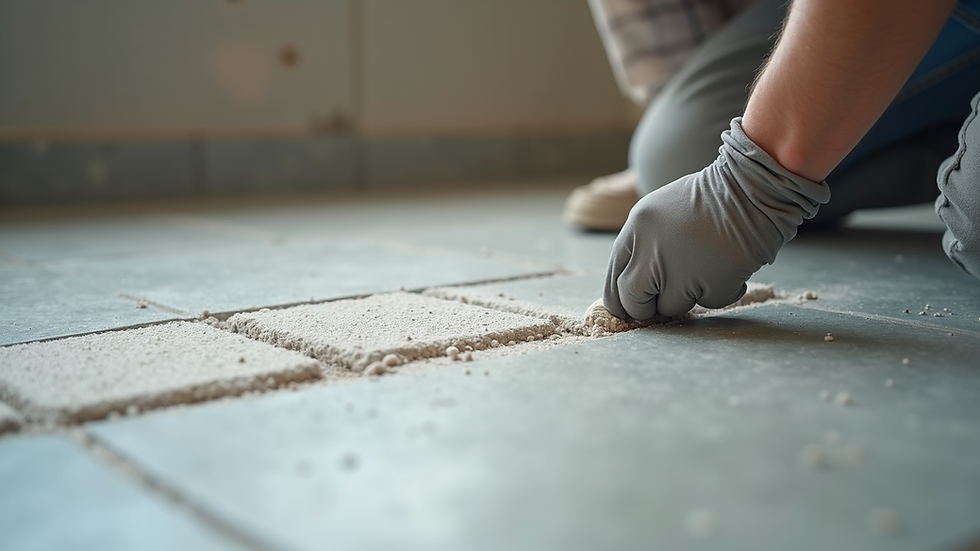
Construction Chemicals: Enhancing Building Performance
Construction chemicals are additives and compounds that improve the properties of building materials. They enhance durability, waterproofing, bonding, and overall structural integrity.
Common Types of Construction Chemicals
Waterproofing Chemicals: These prevent water ingress in basements, roofs, and bathrooms. They include liquid membranes, crystalline waterproofing, and cementitious coatings.
Concrete Admixtures: Added to concrete mixes to improve workability, strength, and curing time. Examples include plasticizers, accelerators, and retarders.
Bonding Agents: Used to improve adhesion between old and new concrete or plaster layers.
Grouts and Sealants: Fill gaps between tiles and seal joints to prevent water and dirt penetration.
Benefits of Using Construction Chemicals
Increased durability: Chemicals protect structures from environmental damage.
Improved workability: Admixtures make concrete easier to handle and place.
Enhanced aesthetics: Sealants and grouts maintain clean and uniform tile surfaces.
Cost efficiency: Reducing maintenance and repair costs over time.
Incorporating the right construction chemicals ensures that buildings meet safety standards and last longer under various conditions.
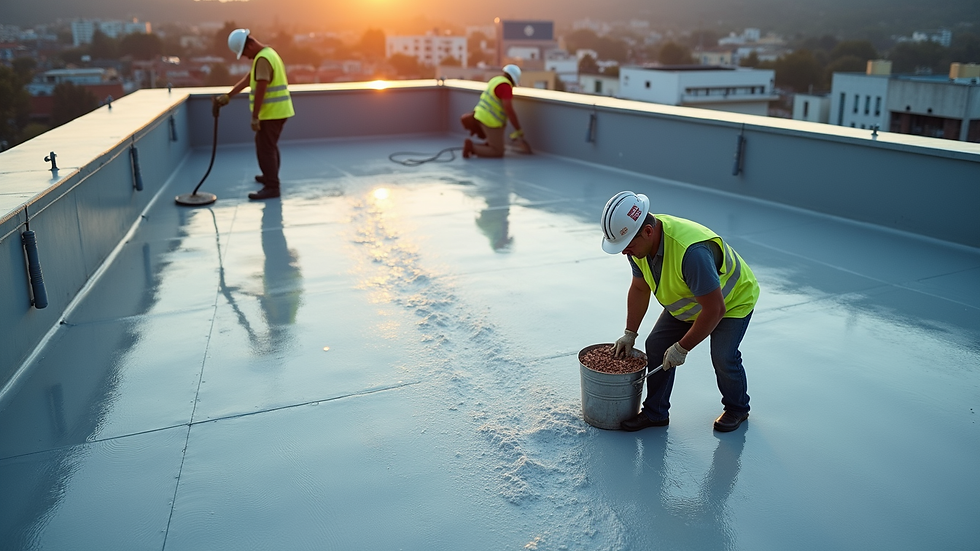
Best Practices for Tile Fixing and Chemical Application
Proper application techniques are as important as selecting the right products. Following best practices guarantees optimal performance and longevity.
Preparing the Surface
Clean the substrate thoroughly to remove dust, grease, or loose particles.
Repair cracks or uneven areas before applying adhesives or chemicals.
Use primers if recommended by the product manufacturer.
Applying Tile Adhesives
Mix adhesives according to instructions to achieve the right consistency.
Use a notched trowel to spread adhesive evenly.
Press tiles firmly to ensure full contact with the adhesive.
Allow adequate curing time before grouting or exposing tiles to traffic.
Using Construction Chemicals
Follow manufacturer guidelines for dosage and mixing.
Apply waterproofing chemicals in multiple coats for effective sealing.
Use protective gear to handle chemicals safely.
Store chemicals properly to maintain their effectiveness.
Adhering to these practices reduces installation errors and enhances the overall quality of the project.
Innovations and Trends in Construction Chemicals and Tile Adhesives
The construction industry continuously evolves with new technologies and materials. Staying updated on innovations helps in choosing the best solutions.
Eco-Friendly and Sustainable Products
There is a growing demand for environmentally friendly adhesives and chemicals. These products reduce harmful emissions and use sustainable raw materials without compromising performance.
High-Performance Adhesives
Advanced formulations now offer faster curing times, stronger bonds, and better resistance to temperature changes and chemicals. These adhesives are ideal for challenging environments.
Multifunctional Chemicals
New construction chemicals combine multiple benefits such as waterproofing, anti-fungal properties, and enhanced bonding in a single product. This simplifies application and reduces costs.
Digital Tools and Quality Control
Technological tools assist in precise measurement and application of adhesives and chemicals, ensuring consistent quality and reducing waste.
Using innovative products and methods leads to more efficient construction processes and superior results.
Choosing Reliable Suppliers and Brands
Selecting trusted suppliers is critical for obtaining high-quality tile adhesives and construction chemicals. Reliable brands ensure product consistency, technical support, and compliance with industry standards.
When sourcing materials, consider:
Product certifications and quality standards.
Availability of technical data sheets and application guides.
Customer reviews and industry reputation.
After-sales support and training services.
For example, fabrogold is a brand committed to delivering premium construction chemicals across India. Their products cater to diverse project needs, including tile fixing, waterproofing, and flooring solutions. Partnering with such brands helps maintain high standards and project success.
Maximizing the Lifespan of Tiled Surfaces and Structures
Proper use of tile adhesives and construction chemicals directly impacts the durability of tiled surfaces and structural elements. To maximize lifespan:
Choose adhesives and chemicals suited to the specific project conditions.
Follow manufacturer instructions meticulously.
Conduct regular maintenance and inspections.
Address any signs of damage or wear promptly.
Investing in quality materials and proper application reduces the risk of tile detachment, water damage, and structural failures. This approach saves time and money in the long run.
By understanding the critical role of tile adhesives and construction chemicals, construction professionals can enhance the quality and durability of their projects. Using the right products, applying them correctly, and staying informed about industry advancements are key to achieving lasting results.


Comments